

Quick answer
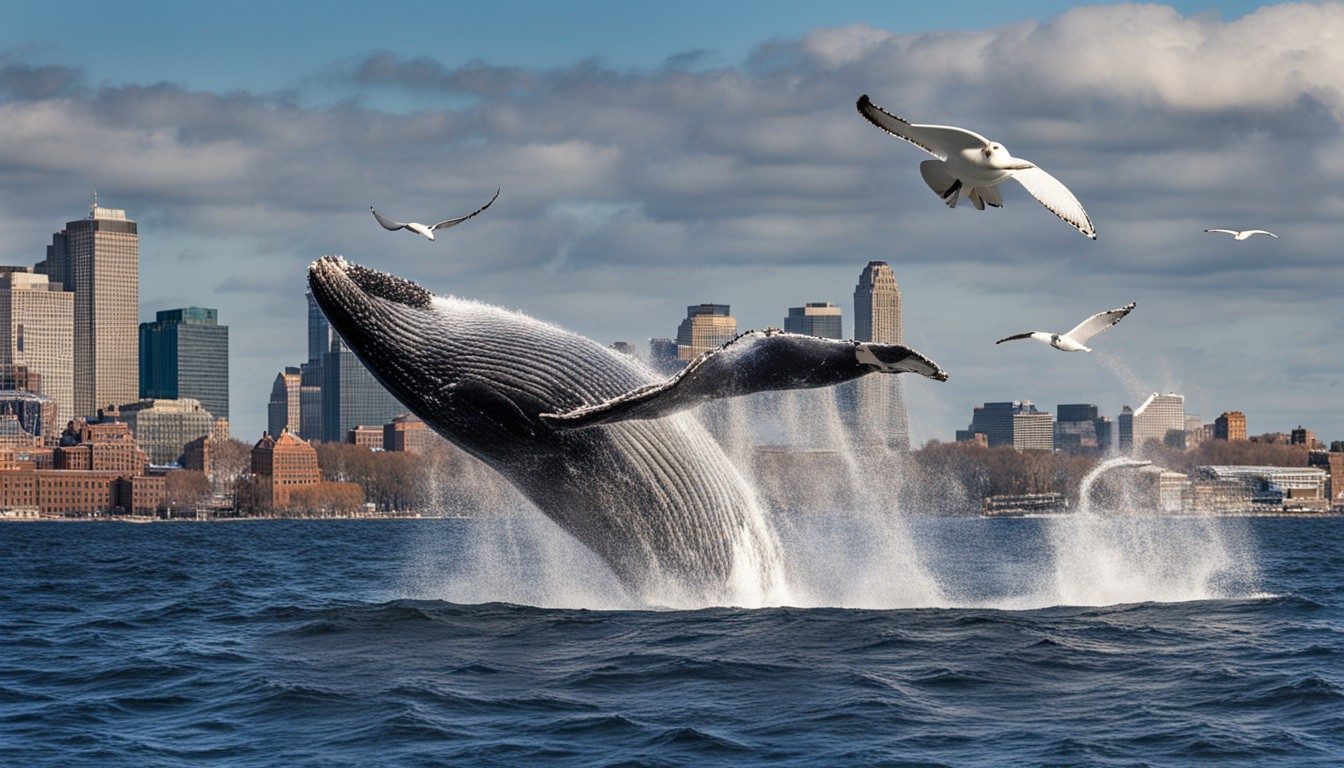
The boston whale watching best time of year runs from mid-April through late October, with peak sightings concentrated between May and September when humpback whales feed intensively in Stellwagen Bank. Morning departures between 10:00 and 11:00 offer calmer seas and better light for photography, though afternoon trips see comparable whale activity. Avoid late October through March when most whales migrate south and operators suspend service due to rough winter conditions.
Stellwagen Bank, a submerged plateau twenty-five miles east of Boston, concentrates sand lance and other baitfish in densities that draw hundreds of humpback whales each spring. These whales travel from Caribbean breeding grounds to feed in New England waters, arriving as early as mid-April and remaining until the first sustained cold fronts of autumn push them south again. The timing of boston whale watching best time of year aligns precisely with this feeding cycle, not with human tourism calendars. May and June mark the start of peak season. Water temperatures climb into the mid-fifties Fahrenheit, triggering plankton blooms that support the food chain. Whale activity intensifies through July and August, when surface feeding becomes frequent and tour boats routinely encounter multiple species in a single three-hour cruise. September extends the high season with stable weather and whales fattening for migration. By November, sightings drop sharply and most operators close until the following spring. Daily timing matters less than seasonal timing, but subtle patterns exist. Morning departures departing at 10:00 benefit from calmer seas before afternoon winds build, particularly in July and August when thermal heating destabilizes coastal air. Whales feed throughout daylight hours with no preference for morning or afternoon. Photography favors morning light angling from the east, reducing glare off the water. Afternoon trips departing at 13:00 or 14:00 see similar whale counts but slightly rougher rides on windy days. Weekday departures in May, June, and September offer the best combination of whale activity and manageable crowds. Weekend boats fill quickly during summer months, and the crush of passengers along the rails can obstruct sightlines. Shoulder-season trips in late April or early October trade guaranteed sightings for solitude and lower ticket availability pressure. The standard adult ticket runs seventy-five dollars, reflecting the fuel cost and sanctuary access permits required for the twenty-five-mile offshore run to Stellwagen Bank. Cruises last three to four hours and depart from Long Wharf in downtown Boston, where check-in begins thirty minutes before scheduled departure.
“Stellwagen Bank concentrates baitfish in densities that draw hundreds of humpback whales each spring, arriving as early as mid-April and remaining until the first cold fronts of autumn.”
Boston Whale Watching Best Time of Year: Seasonal and Daily Planning
The peak season for whale watching in Boston spans from May through October, when humpback, finback, and minke whales congregate in the Stellwagen Bank National Marine Sanctuary. Planning your visit for mid-week often results in lower passenger volume compared to weekends.
May and June
Moderate; school trips commonCool to mild, 55°F–70°F. Early-season whale activity is consistent as populations arrive.
July and August
Peak; heavy tourism volumeWarm, 75°F–85°F. This is the busiest period with high demand for cruises.
September and October
Lower; post-summer lullMild to cool, 55°F–75°F. Whales remain active, and weather remains favorable for coastal travel.
Weekday Mid-Day
Minimal; avoid weekend surges—
Mid-day departures generally offer a more relaxed experience on board compared to peak weekend mornings.
Verdict: The best opportunity for sightings with manageable crowds is mid-week during September or October.
Daily Opening Hours for Boston Whale Watching
Whale watching cruises operate on a consistent daily schedule throughout the season. Visitors may align their travel plans with these set hours to ensure timely boarding.
| Monday | 10:00–14:30 | |
|---|---|---|
| Tuesday | 10:00–14:30 | |
| Wednesday | 10:00–14:30 | |
| Thursday | 10:00–14:30 | |
| Friday | 10:00–14:30 | |
| Saturday | 10:00–14:30 | |
| Sunday | 10:00–14:30 |
How to Reach the Boston Whale Watching Departure Point
Whale watching cruises depart from 1 Long Wharf, Boston, MA 02110, located along the waterfront in the downtown area. Public transit and walking are the most reliable methods to reach this departure point.
Blue Line to Aquarium Station
Routes 352, 354 to Atlantic Ave @ Milk St
I-93 to Surface Artery
Follow the Harborwalk to Long Wharf
Preparation Checklist for Your Boston Whale Watching Trip
Prepare for a comfortable and hassle-free whale watching experience with these essential steps.
-
Book your cruise in advance — Tours sell out quickly during peak whale season (April–October).
-
Check weather conditions the day before — Sea conditions can affect comfort; dress in layers for wind and spray.
-
Wear non-slip closed-toe shoes — Boat decks can be wet and slippery during the cruise.
-
Bring motion sickness medication if needed — The open ocean can be choppy, especially on windier days.
-
Arrive 30 minutes before departure — Check-in closes before boarding to ensure on-time departure from Long Wharf.
-
Pack sunscreen and sunglasses — Sun reflection off the water intensifies UV exposure during the 3–4 hour trip.
-
Bring binoculars and a camera — Whales surface at varying distances; zoom lenses capture better detail.
Check availability
Frequently asked questions: boston whale watching best time of year
Everything you need to know about boston whale watching best time of year